
What Is Digital Marketing, and Why Does It Matter for Business Growth?

Imagine two cafes located on the same street. Both serve good coffee, offer a comfortable atmosphere, and have similar prices. Yet one cafe regularly attracts new customers, receives online enquiries, and builds a loyal community, while the other struggles to bring people through the door.
What makes the difference?
Sometimes, it is not the product. It is how effectively the business reaches the right people, communicates its value, and turns attention into action.
That is where digital marketing comes in.
Today, having a great product or service is only one part of building a successful business. People also need to discover you, trust you, and have a reason to choose you over your competitors. A thoughtful digital marketing strategy can help make that journey easier.
Whether you run a startup, cafe, salon, clinic, local shop, or growing brand, understanding digital marketing for business growth can help you make better marketing decisions and build a stronger online presence.
Let’s explore how it works and what you can do to make it work for your business.
What Is Digital Marketing, and Why Does It Matter for Business Growth?
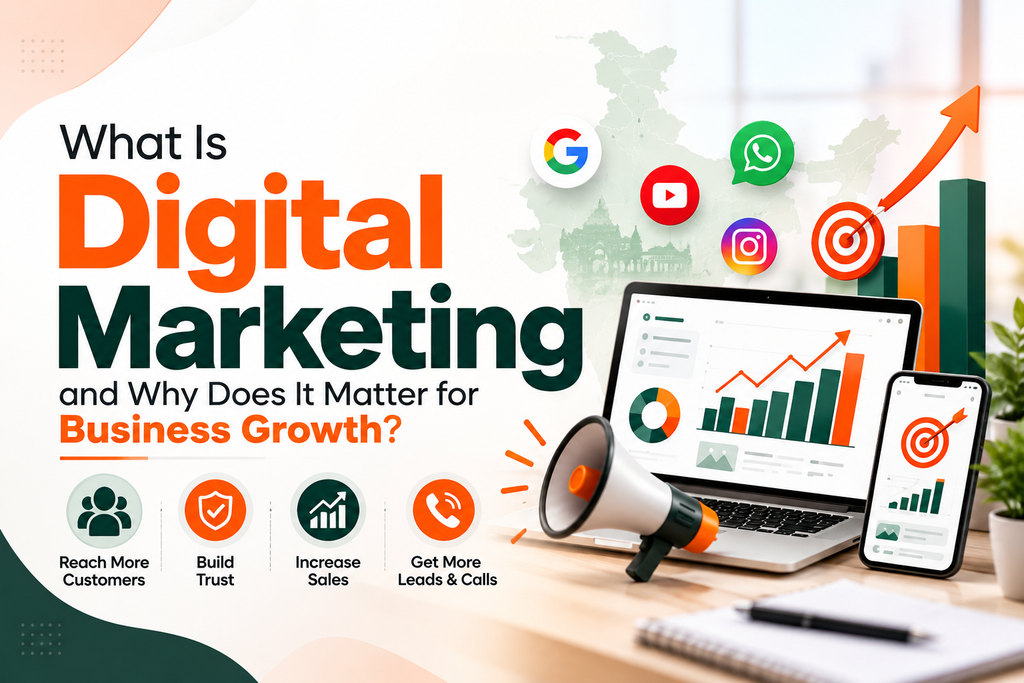
Digital marketing is the process of promoting your business through online channels such as search engines, social media, websites, email, and digital advertising.
But it is more than simply posting on Instagram or running advertisements.
Effective digital marketing connects your business with people who may genuinely need your products or services. It helps them discover your brand, understand what you offer, and take the next step, whether that means visiting your store, booking an appointment, making a purchase, or contacting your team.
For example, imagine you own a salon. Someone nearby searches Google for a haircut or hair treatment. If your business has a useful website, an optimized Google Business Profile, positive customer reviews, and clear contact information, you have more opportunities to be considered.
Similarly, a startup can use educational content to explain its product, social media to build awareness, and targeted advertising to reach potential customers.
The goal is not to be everywhere online. It is to be visible in the places that matter to your audience.
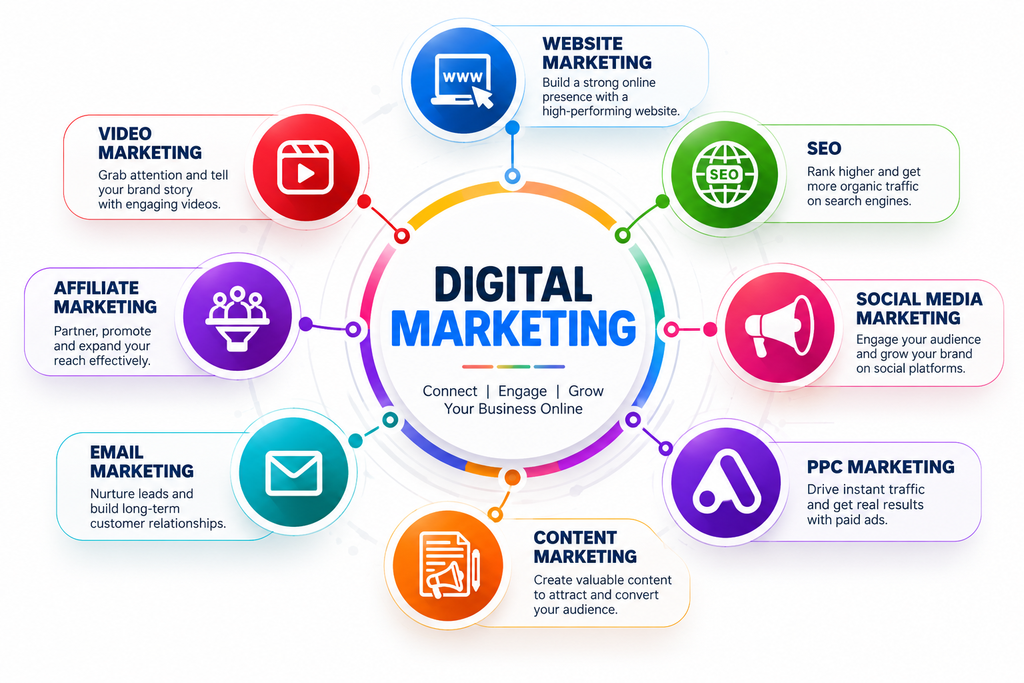
6 Digital Marketing Strategies That Can Help Your Business Grow
1. Search Engine Optimization (SEO): Help Customers Find You
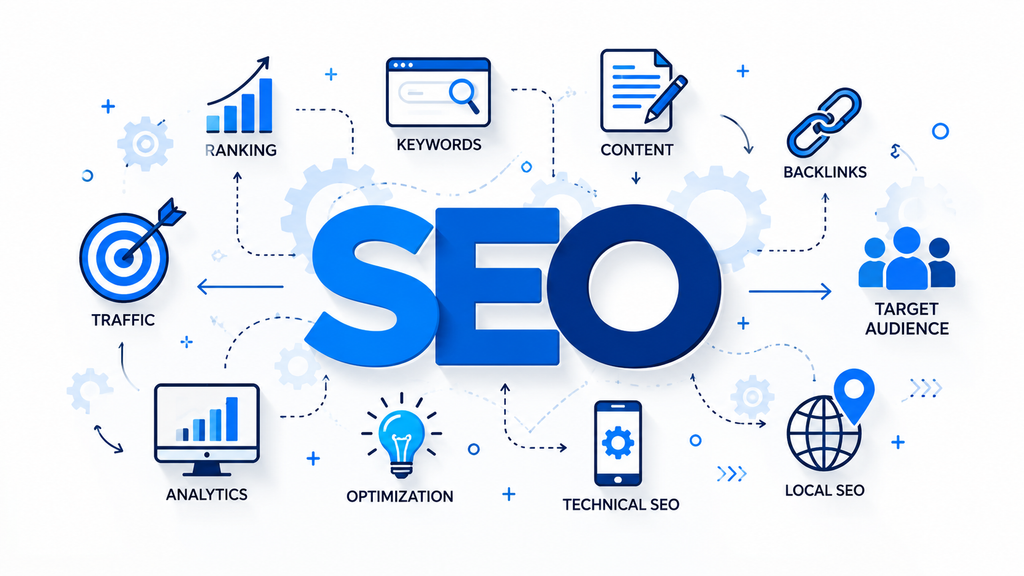
When people need a product or service, they often begin with a search engine. SEO helps improve your website’s visibility in relevant, unpaid search results.
Suppose you operate a dental clinic. Potential patients may search for phrases such as “dentist near me” or “dental clinic in [your city].” Creating helpful website pages, improving local business information, and publishing relevant content can help your clinic become easier to discover.
Here are some practical SEO steps:
- Research the search terms your potential customers actually use.
- Create useful service pages with clear descriptions.
- Improve website loading speed and mobile usability.
- Keep your business name, address, phone number, and opening hours accurate.
- Publish content that answers genuine customer questions.
SEO usually requires consistent effort, and results are not immediate or guaranteed. However, it can help build long-term visibility and attract people who are already looking for what you offer.
2. Social Media Marketing: Turn Attention into Trust
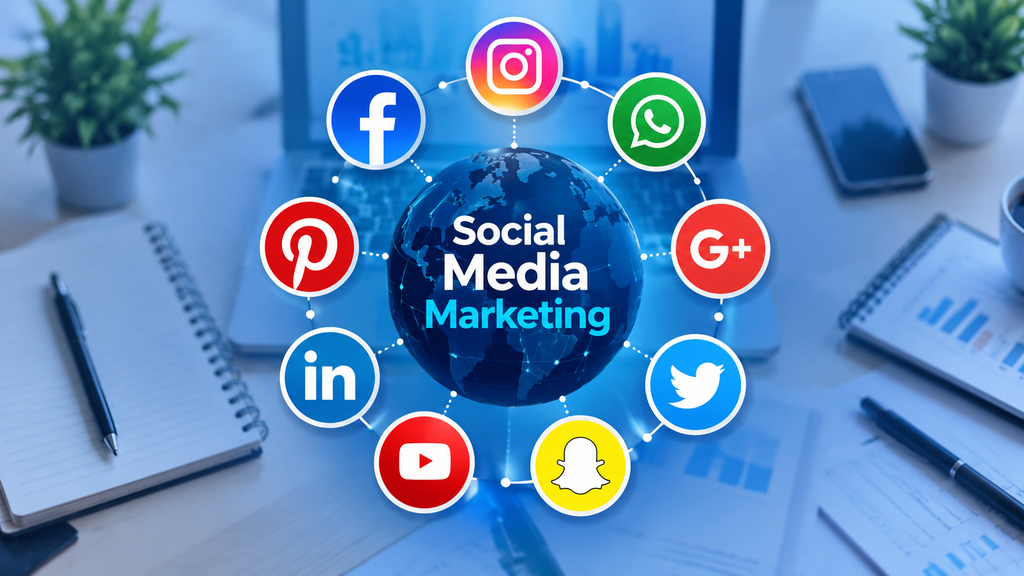
Social media gives businesses a way to demonstrate their personality, expertise, products, and customer experience.
However, posting every day without a clear purpose does not automatically lead to business growth.
Consider a cafe that publishes only promotional graphics. Now imagine that the same cafe also shares behind-the-scenes videos, new menu items, customer favourites, preparation clips, and useful information about its location.
The second approach gives people more reasons to connect with the brand.
For stronger social media marketing, try these steps:
- Share a mix of educational, entertaining, and promotional content.
- Use short-form videos to demonstrate products or services.
- Answer questions in comments and direct messages.
- Use relevant location tags and local content where appropriate.
- Review saves, shares, profile visits, enquiries, and other meaningful actions.
Remember, likes are only one indicator of engagement. For a business, the bigger question is whether your content helps people move closer to becoming customers.
3. Content Marketing: Give People a Reason to Trust Your Brand
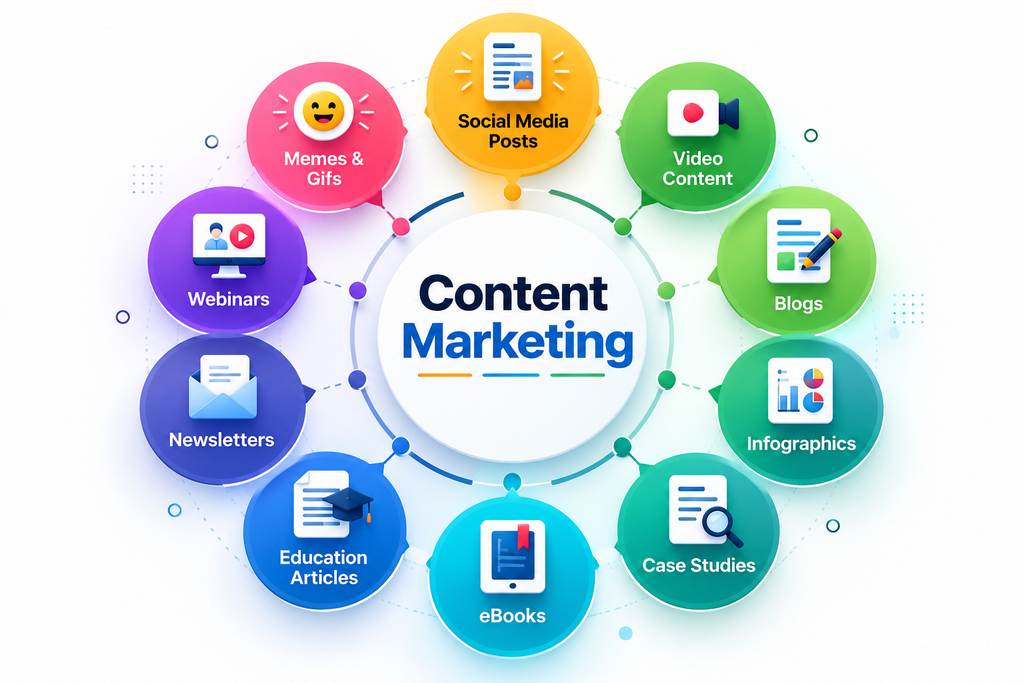
Customers often have questions before making a decision. Content marketing helps you answer those questions before a sales conversation even begins.
A skincare clinic could publish articles explaining common skincare concerns. A marketing startup could create guides that simplify complex topics. A salon could share hair-care tips and explain how different treatments work.
Useful content can take several forms:
- Blog posts and website articles
- Reels and short educational videos
- Infographics and carousels
- Frequently asked questions
- Product demonstrations
- Email newsletters
The key is relevance. Your content should address a real customer need rather than exist simply to fill a content calendar.
For example, a salon publishing “How to Maintain Your Hair Between Salon Visits” offers practical value while naturally introducing its expertise.
When content consistently answers useful questions, it gives potential customers more opportunities to understand your business and develop confidence in your services.
4. Paid Advertising: Reach the Right Audience Faster
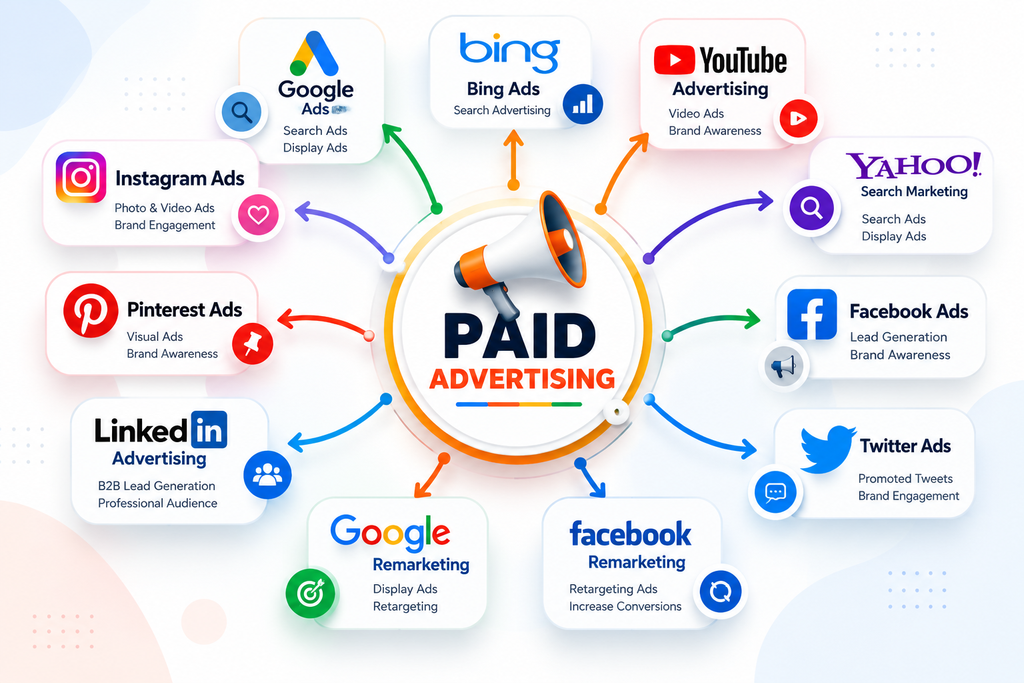
SEO and organic social media can build visibility over time. Paid advertising can help businesses reach selected audiences or capture existing demand more quickly, depending on the campaign.
Platforms such as Google Ads and Meta Ads offer different ways to reach potential customers.
For example, a new cafe might promote a weekend offer to people in a relevant local area. A coaching business could use search advertising to reach people actively looking for its services. An online store could test product advertisements and measure purchases.
But there is an important catch: more ad spend does not automatically mean more customers.
Before launching a campaign, make sure you have:
- A clearly defined target audience.
- One specific campaign objective.
- Relevant, compelling creative.
- A landing page or destination that matches the advertisement.
- Proper conversion tracking.
- A plan to measure cost per lead, sales, and return on advertising spend where applicable.
Start with a manageable testing budget, evaluate the results, and improve the campaign based on evidence. Avoid increasing spending simply because an advertisement receives clicks.
5. Lead Generation: Turn Interest into Enquiries
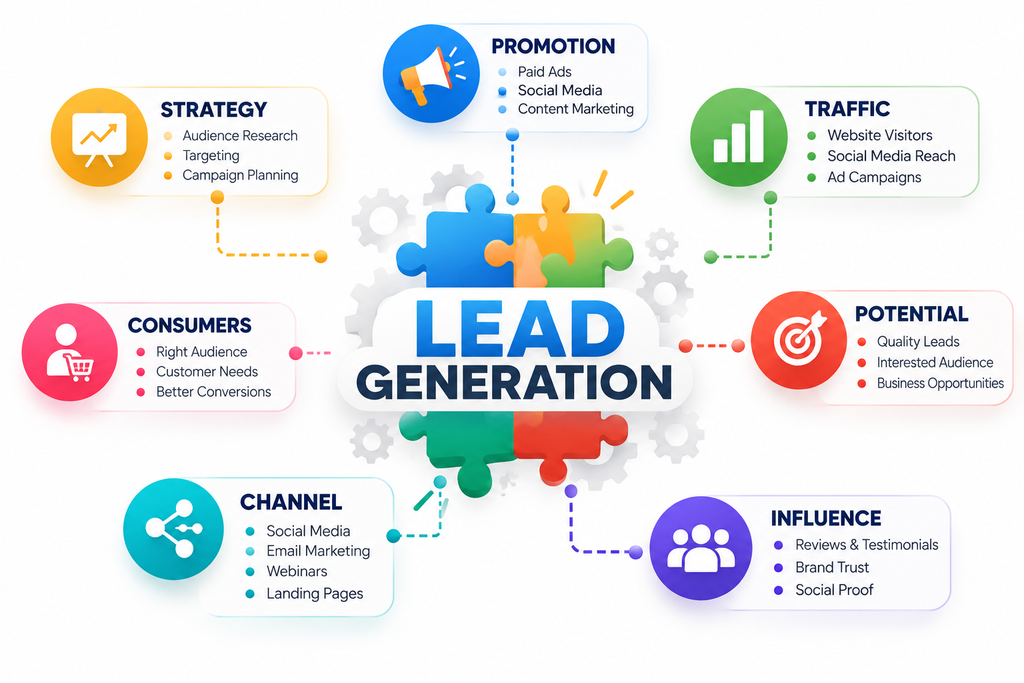
Getting attention is useful, but attention alone does not pay the bills. Businesses also need a practical way to convert interest into enquiries and sales.
Lead generation involves attracting potential customers and encouraging them to share their contact details or initiate a conversation.
For a clinic, this might mean an appointment enquiry form. For a salon, it could be a WhatsApp booking link. For a B2B startup, it might be a consultation request.
To improve lead generation:
- Use clear calls to action, such as “Book an Appointment” or “Request a Consultation.”
- Keep enquiry forms short and easy to complete.
- Make contact details easy to find.
- Respond to enquiries promptly.
- Track which marketing channels generate relevant leads.
- Follow up professionally with people who have expressed interest.
Quality matters more than quantity. Fifty irrelevant enquiries may be less valuable than a smaller number of genuine prospects who need your service and can afford it.
6. Branding and Consistency: Make Your Business Memorable
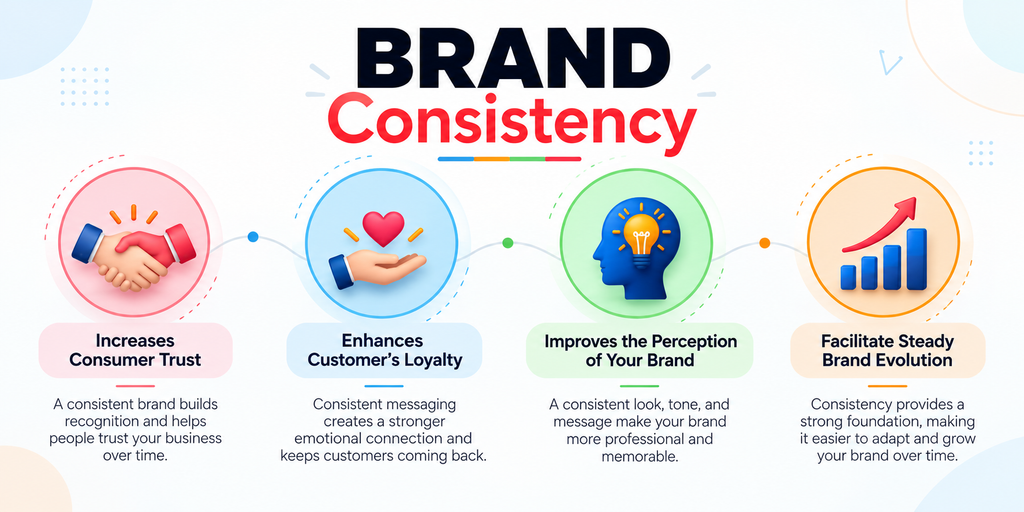
People encounter countless businesses online. A recognizable brand helps them understand who you are and what makes your business different.
Branding includes more than a logo. It also covers your communication style, visual identity, customer experience, positioning, and the expectations people associate with your business.
Imagine a premium salon that uses elegant visuals on Instagram but has an outdated website with confusing service descriptions. That inconsistency can make potential customers question the overall experience.
A stronger approach includes:
- Consistent brand colours, typography, and visual style.
- A clear explanation of your products or services.
- A recognizable tone of voice.
- Accurate information across digital platforms.
- Customer experiences that support the promises your brand makes.
Consistency does not mean publishing identical content everywhere. It means ensuring that customers receive a coherent impression of your business wherever they encounter it.
Common Digital Marketing Mistakes That Slow Business Growth
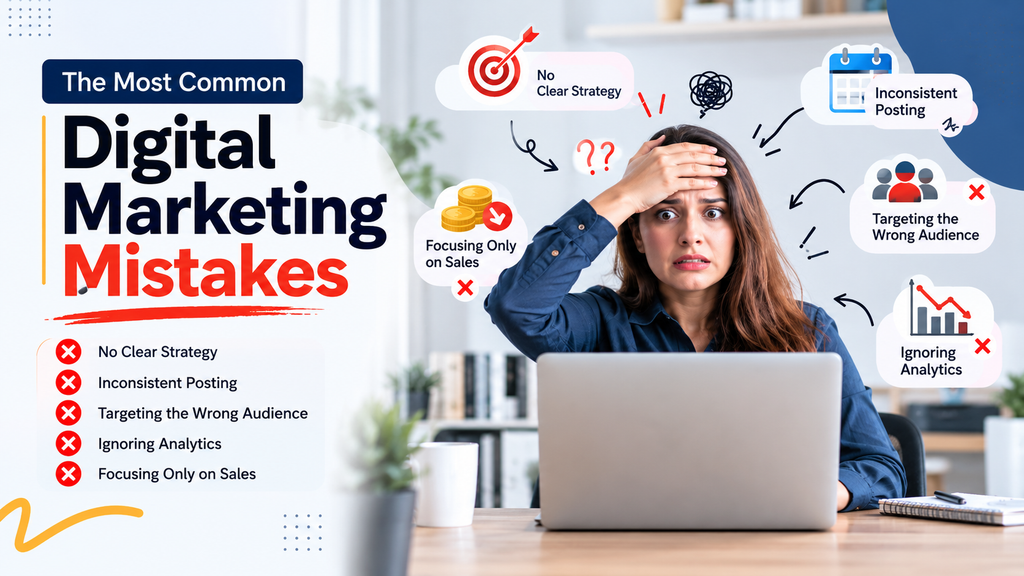
Even businesses that invest time and money in marketing can struggle when their approach lacks direction.
Mistake 1: Posting Without a Strategy
Random posts make it difficult to build a recognizable message or guide customers towards an action.
What to do instead: Create a monthly content plan around customer questions, business priorities, seasonal opportunities, and specific marketing goals.
Mistake 2: Chasing Followers Instead of Customers
A large following can look impressive, but it does not necessarily translate into enquiries or sales.
What to do instead: Measure meaningful outcomes, including qualified leads, bookings, website visits, conversions, and repeat purchases.
Mistake 3: Spending on Ads Without Tracking Results
Without conversion tracking, you may know how many people clicked an advertisement without knowing whether it generated business.
What to do instead: Define your conversion events before launching campaigns and review performance regularly.
Mistake 4: Ignoring the Website or Enquiry Experience
Marketing may bring visitors to your website, but confusing navigation, slow loading, unclear pricing information, or broken contact links can discourage them from taking the next step.
What to do instead: Test your website on mobile, simplify important pages, make contact options visible, and ensure that enquiry forms work correctly.
Mistake 5: Expecting Instant Results
Different channels work on different timelines. SEO takes sustained effort, advertising requires testing, and trust develops through repeated positive interactions.
What to do instead: Set realistic goals, review results consistently, and improve your approach using actual performance data.
A Practical 30-Day Digital Marketing Plan for Small Businesses
You do not need to launch every marketing activity at once. Start with a manageable plan and build from there.
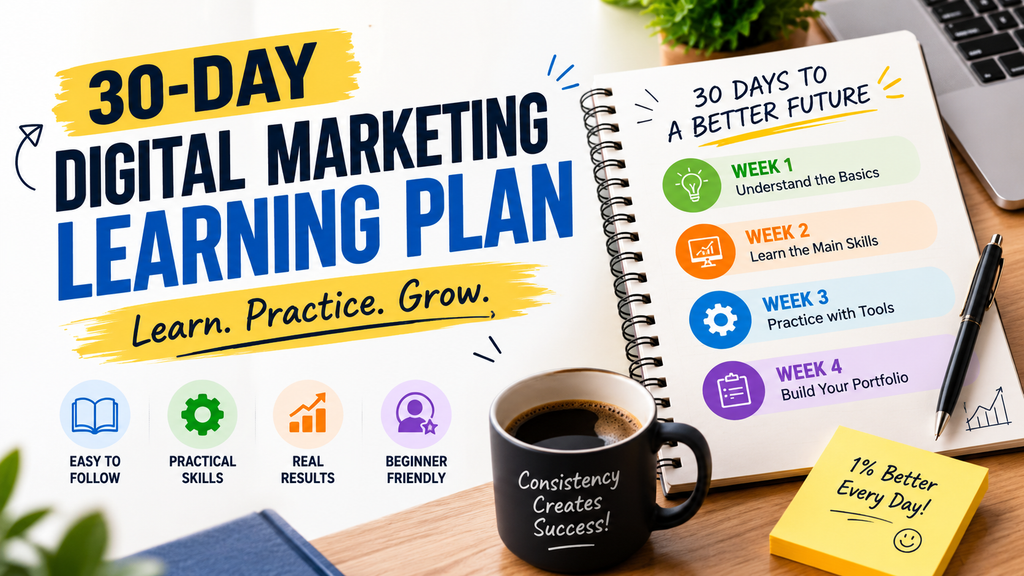
Week 1: Understand Your Business and Audience
- Identify your ideal customer.
- Define one primary business goal, such as more appointments or qualified enquiries.
- Review your competitors’ positioning and online presence.
- Audit your website, social profiles, and Google Business Profile.
Week 2: Build Your Foundation
- Improve your social media profiles and contact information.
- Update relevant website pages for customers and search engines.
- Prepare a simple content calendar.
- Create clear enquiry or booking pathways.
Week 3: Publish and Promote
- Publish helpful and relevant social media content.
- Share a short-form video or customer-focused educational post.
- Publish a useful blog article or FAQ.
- If your budget and tracking are ready, test a focused paid campaign.
Week 4: Measure and Improve
- Review website traffic and search visibility.
- Check social media engagement and profile activity.
- Count and assess incoming enquiries.
- Identify which content and channels show the most promising results.
- Adjust the next month’s plan based on what you learn.
This is a starting framework, not a guarantee of results within 30 days. The right pace depends on your resources, competition, audience, and business goals.
How Do You Know Whether Your Digital Marketing Is Working?
The right metrics depend on what you want your business to achieve.
| Business goal | Useful metrics |
|---|---|
| Improve online visibility | Search impressions, relevant reach, website visits |
| Build audience engagement | Shares, saves, meaningful comments, profile actions |
| Generate enquiries | Qualified leads, enquiry conversion rate, cost per lead |
| Increase sales | Purchases, conversion rate, customer acquisition cost |
| Improve advertising efficiency | Cost per acquisition, revenue attributed to ads, ROAS |
| Encourage repeat business | Repeat purchases, returning customers, retention |
Do not judge performance using one number in isolation. A campaign with inexpensive leads may still perform poorly if those leads rarely become customers.
Likewise, increased website traffic is not necessarily valuable if the visitors have little interest in your services.
Connect your marketing metrics to the actual outcomes that matter to your business.
Should You Manage Digital Marketing Yourself or Work with an Agency?
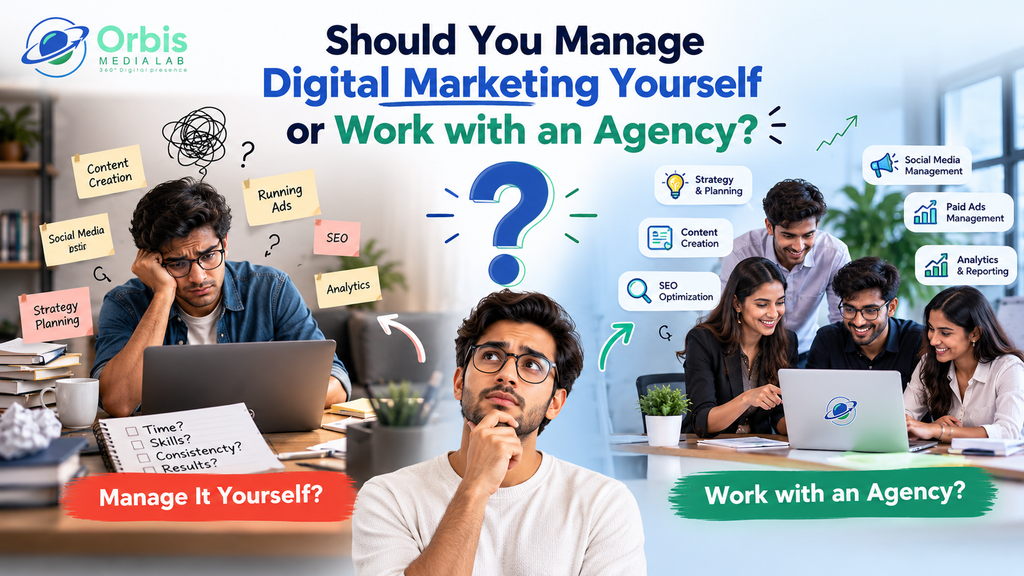
Managing digital marketing yourself can be a sensible starting point when your business is small, your needs are simple, and you have time to learn and execute consistently.
As your business grows, however, coordinating SEO, content creation, social media, paid advertising, analytics, and lead follow-up can become more demanding.
A digital marketing agency can help bring these activities together under a more structured strategy. It can also provide specialized skills, consistent execution, and clearer performance reporting.
Before choosing an agency, ask:
- Does it understand my industry and audience?
- Can it explain the strategy in clear language?
- What will be delivered each month?
- How will success be measured?
- Will I receive transparent reports?
- Are the proposed goals realistic?
The best partnership is not the one that promises overnight success. It is the one that understands your business objectives and works systematically towards them.
Frequently Asked Questions About Digital Marketing for Business Growth
1. How does digital marketing help a business grow?
Digital marketing can improve online visibility, attract relevant audiences, build trust, generate enquiries, and support sales. Its effectiveness depends on the strategy, execution, competition, and how well marketing activities align with customer needs.
2. Which digital marketing strategy is best for small businesses?
There is no single best strategy for every business. Local service providers may benefit from local SEO and customer reviews, while visually driven brands may prioritize social media. Businesses seeking immediate demand may also test paid search or social advertising.
3. How much should a small business spend on digital marketing?
There is no universal budget. Consider your goals, available cash flow, competition, service economics, and the cost of reaching potential customers. Start with a manageable budget, measure results, and scale only when performance justifies it.
4. How long does digital marketing take to show results?
Timelines vary. Paid campaigns can generate initial traffic or enquiries soon after launch, but profitable performance is not guaranteed. SEO, brand recognition, and customer trust generally require sustained effort and ongoing improvement.
5. Is social media marketing enough to grow a business?
Social media can be valuable, but relying on it alone may limit your opportunities. Depending on your business, combining social media with SEO, a useful website, customer reviews, email, or paid advertising may create a stronger overall marketing system.
6. Why is my business getting likes but not customers?
Your content may attract attention without addressing purchase intent, explaining your offer, or providing a clear next step. Review your audience, messaging, calls to action, enquiry process, and the quality of traffic reaching your business.
7. Can digital marketing help local businesses?
Yes. Local businesses can use local SEO, Google Business Profile optimization, location-relevant content, customer reviews, social media, and targeted advertising to improve discoverability and encourage enquiries or visits.
Conclusion: Grow Your Business with a Strategy, Not Just More Posts
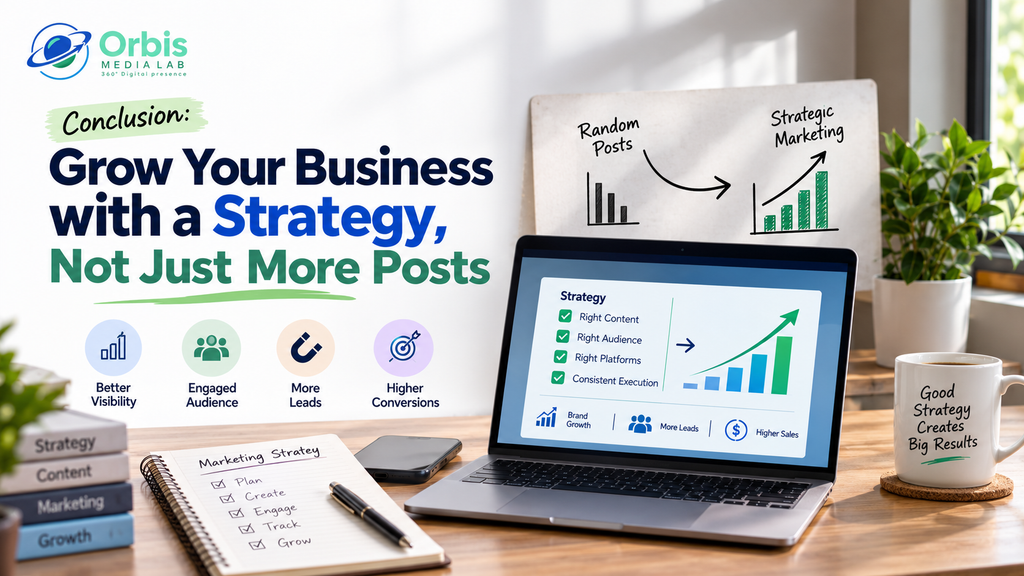
Business growth does not happen simply because you post more often, spend more on advertisements, or follow every new digital trend.
It happens when your marketing activities work towards a clear objective: helping the right people discover your business, understand its value, trust your brand, and take action.
Start by understanding your audience. Choose the channels that make sense for your business. Create useful content, make it easy for customers to contact you, and measure what actually contributes to growth.
Most importantly, treat digital marketing as an ongoing process of learning and improvement rather than a one-time activity.
Looking to build a stronger online presence for your business?
At ORBIS MEDIA LAB, we help businesses approach digital marketing with purpose through social media marketing, SEO, branding, content creation, reels, performance marketing, digital advertising, and lead generation.
Whether you are launching a new brand or looking to improve your existing marketing, the first step is understanding where you are today and what you want to achieve next.
Let’s discuss your business goals and explore a digital marketing strategy that makes sense for your brand.
Connect with ORBIS MEDIA LAB to start planning your next stage of business growth.
🎁 Want to Grow Your Business Online?
Reading about digital marketing is the first step. Putting the right strategy into action is what makes the difference.
To help you get started, we’ve created a practical Digital Marketing Guide for Business Growth that you can download and use to plan your next steps.
📥 Download Your Free PDF Guide
Learn how to improve your online presence, create better content, reach the right audience, and build a smarter digital marketing strategy for your business.
Need help implementing your strategy? ORBIS MEDIA LAB is here to help you move from planning to execution.
Let’s grow your business together!
Hi, this is a comment.
To get started with moderating, editing, and deleting comments, please visit the Comments screen in the dashboard.
Commenter avatars come from Gravatar.